
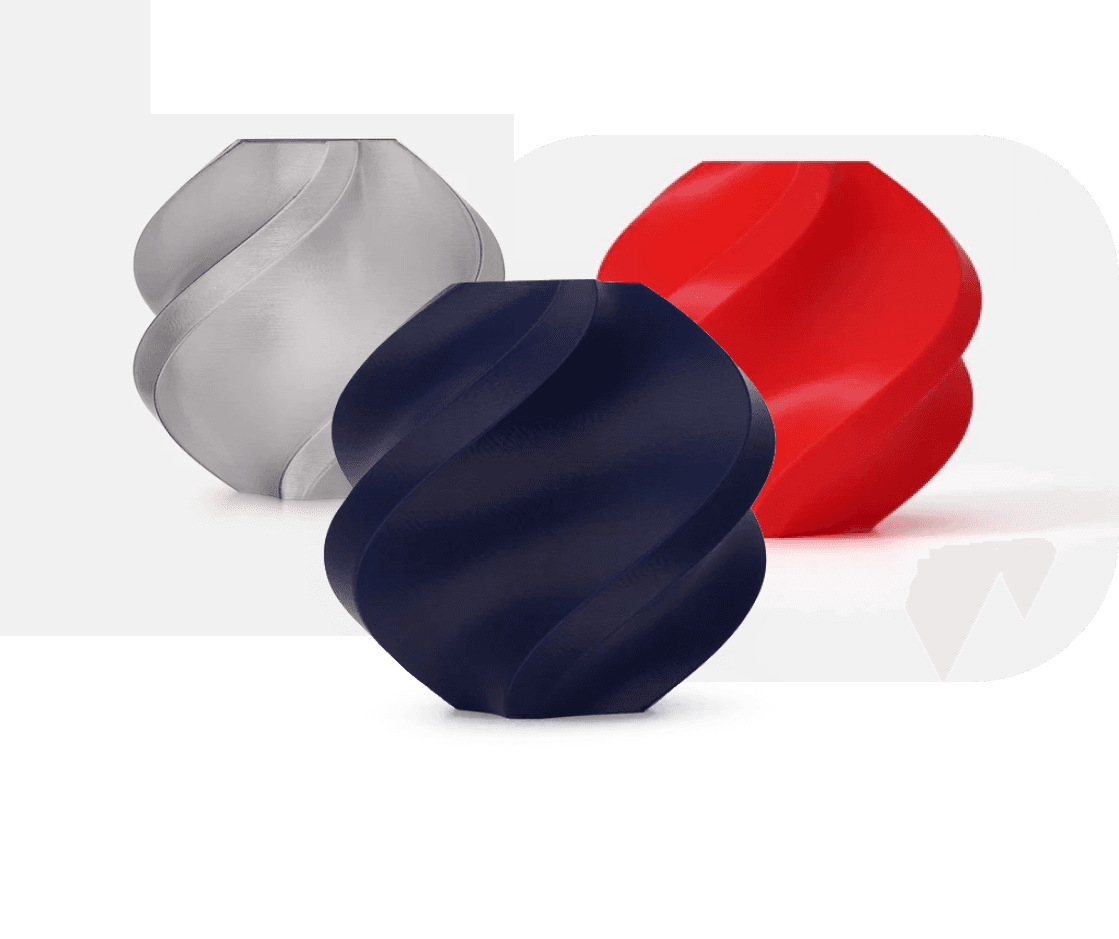
| Materials | Impact resistance | Flexural and wear resistance | Heat resistance | Suitability for outdoor use |
|---|---|---|---|---|
| PETG | Medium | High | Medium | Good for outdoor use |
| PLA | Low | Medium | Low | Not suitable for outdoor use |
| ABS | High | High | High | Sensitive to UV light |
| ASA | High | High | High | Stable under UV radiation |
| PC | Very high | Very high | Very high | Suitable for outdoor use |
| TPU | Medium (elastic) | Medium | Low | Good for outdoor use |
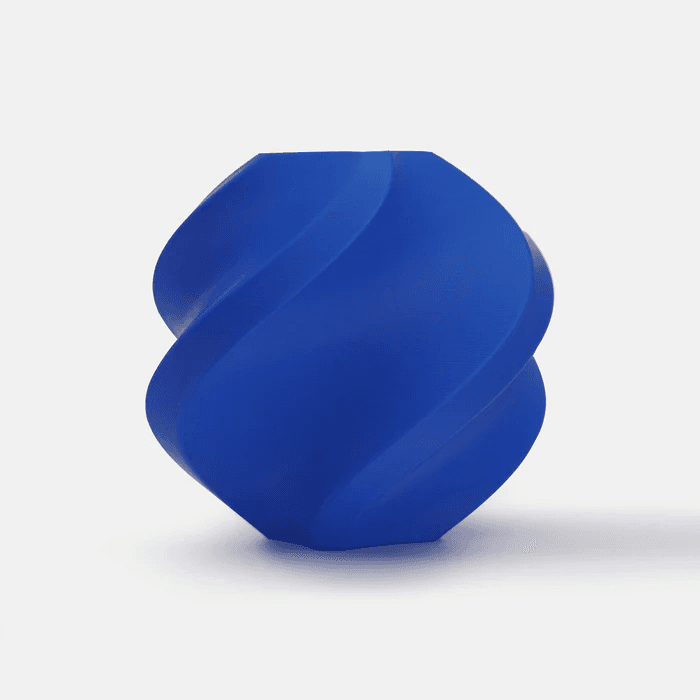
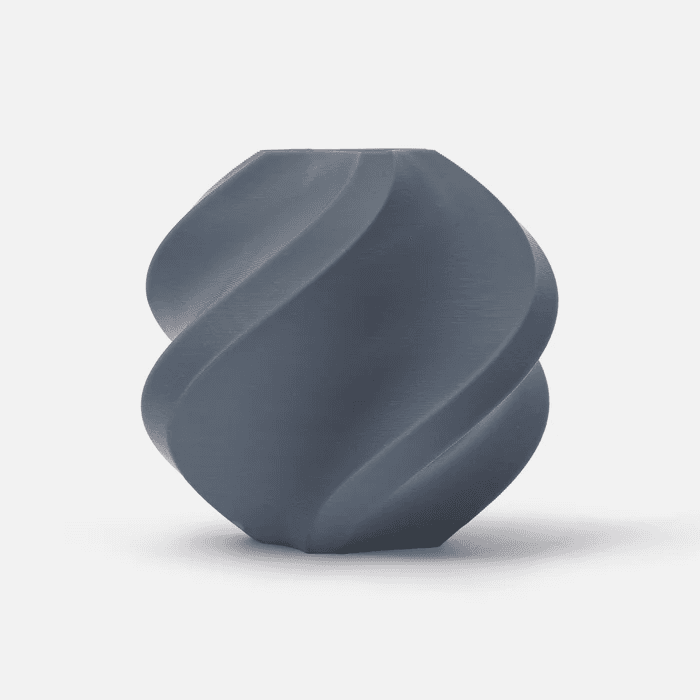
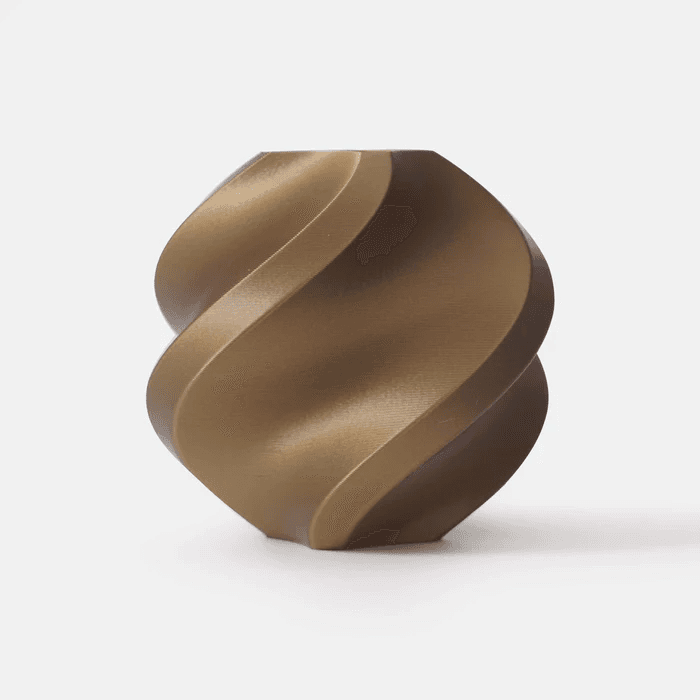
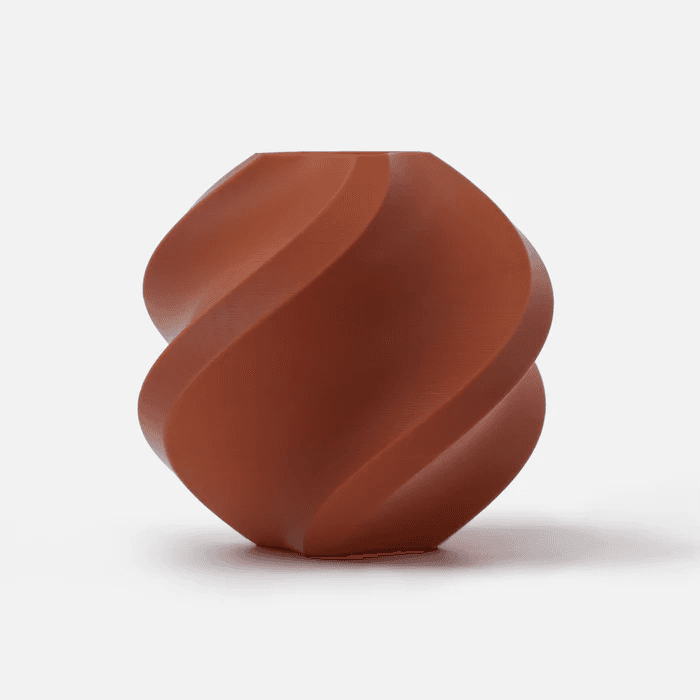
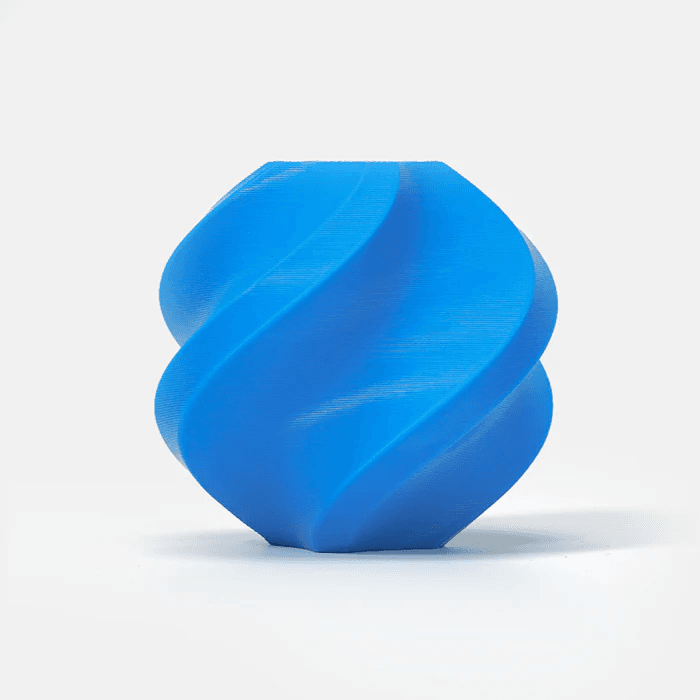
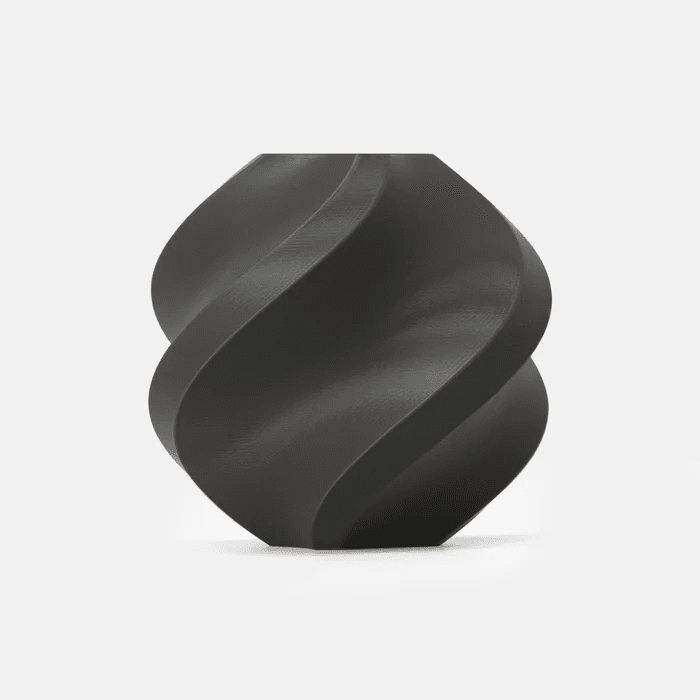
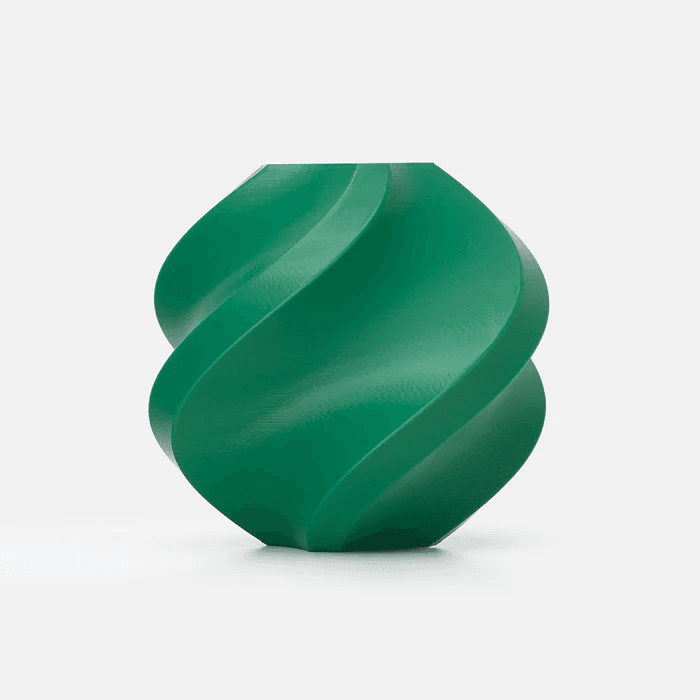
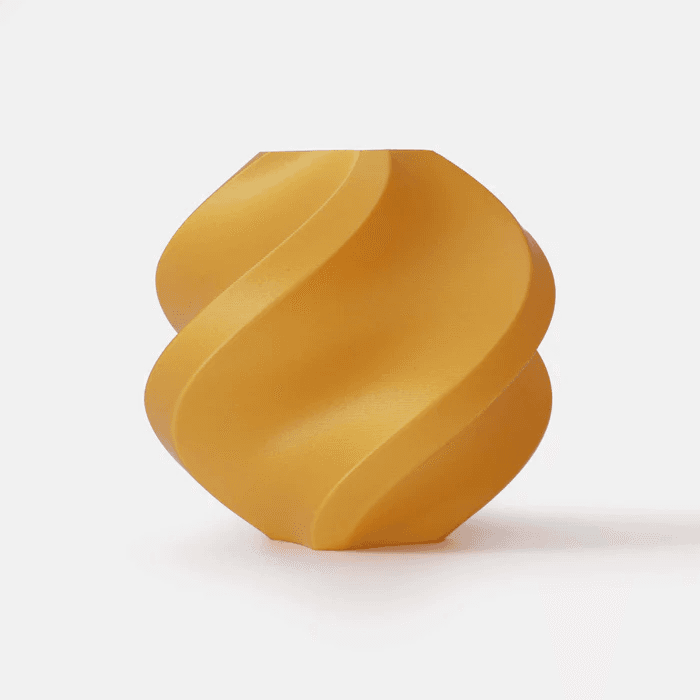
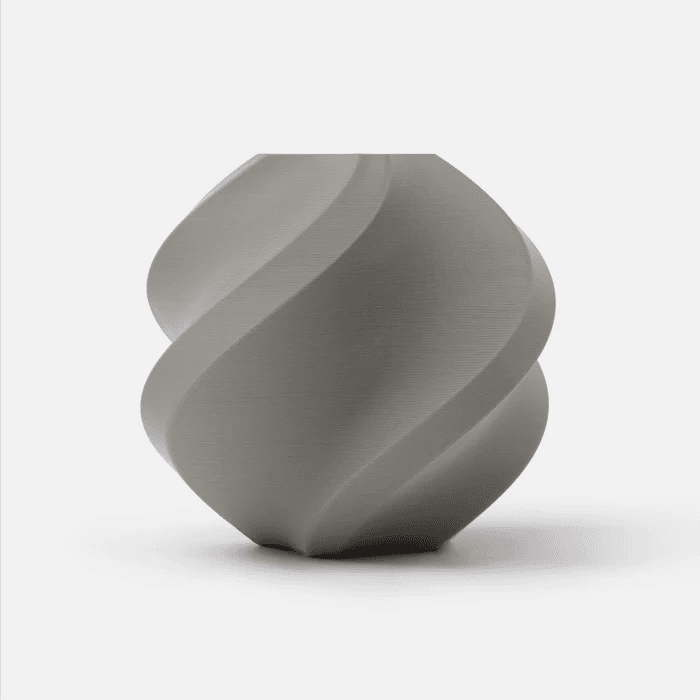
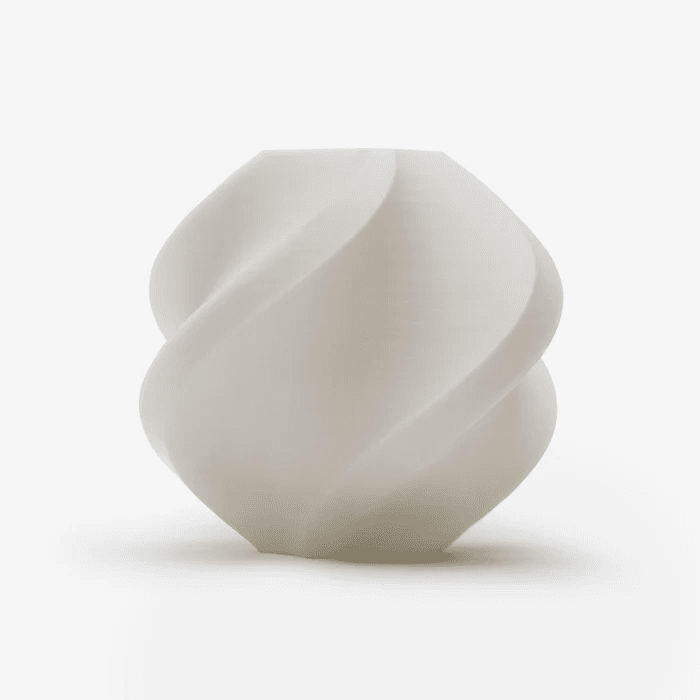
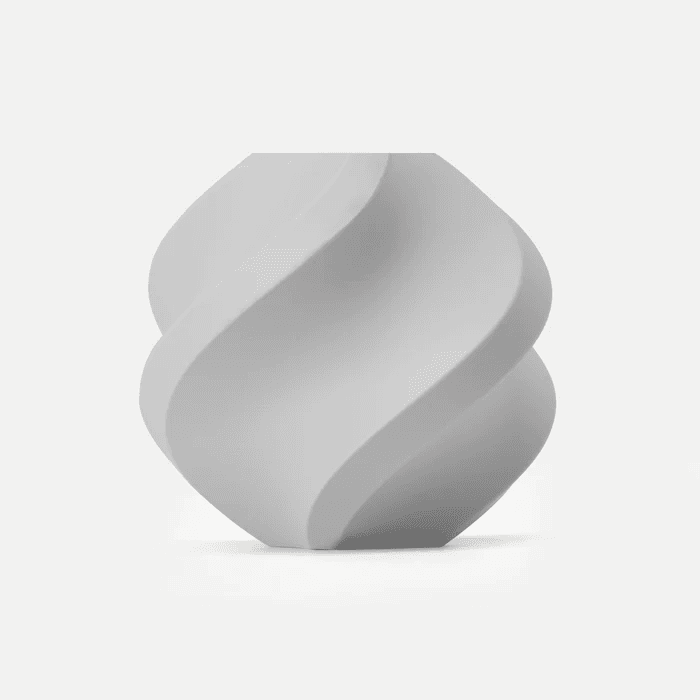
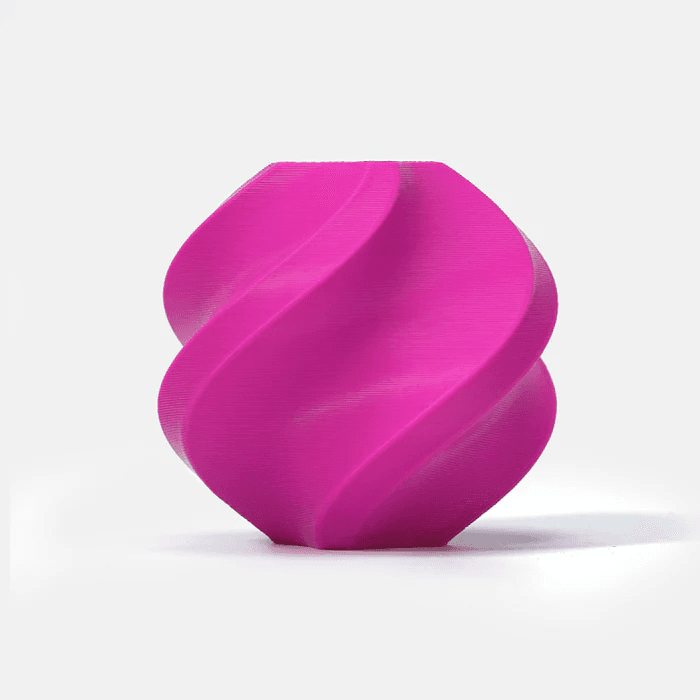
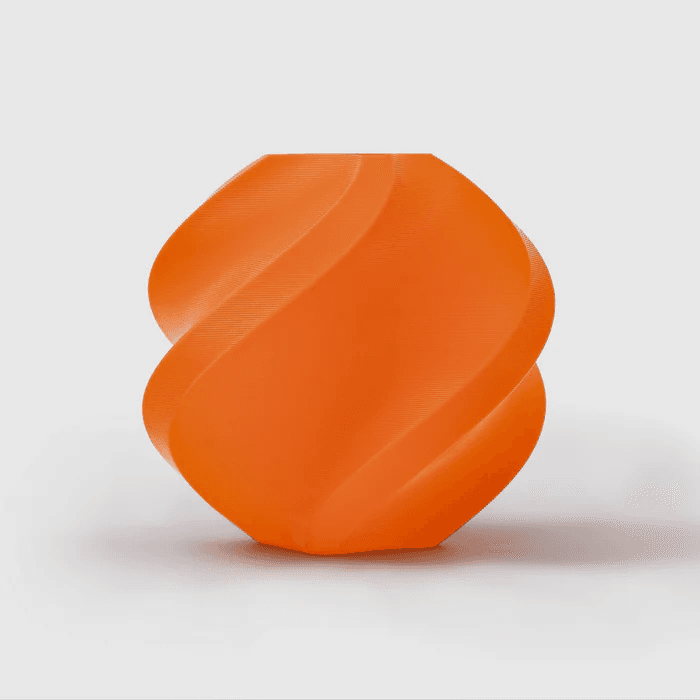
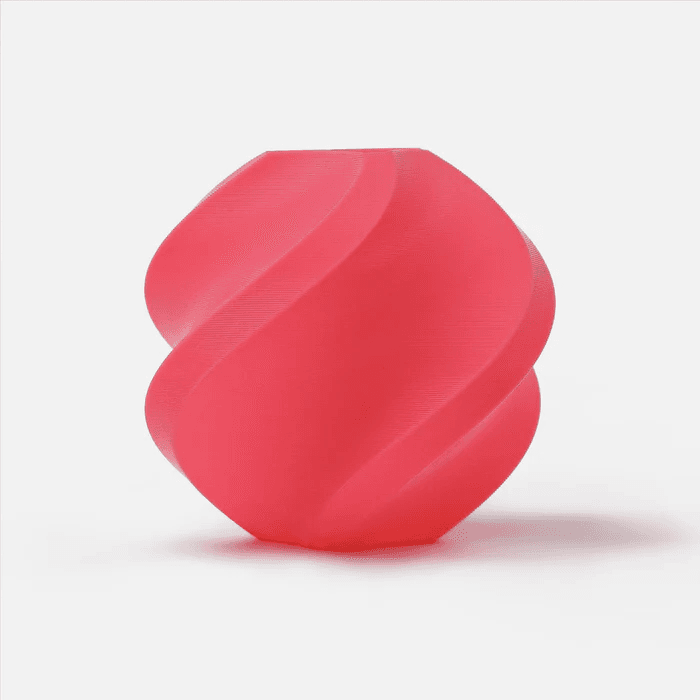
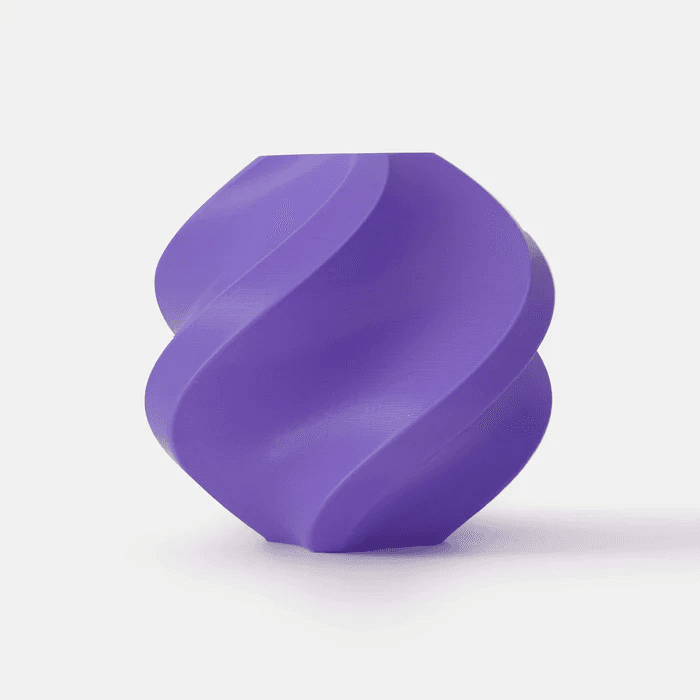
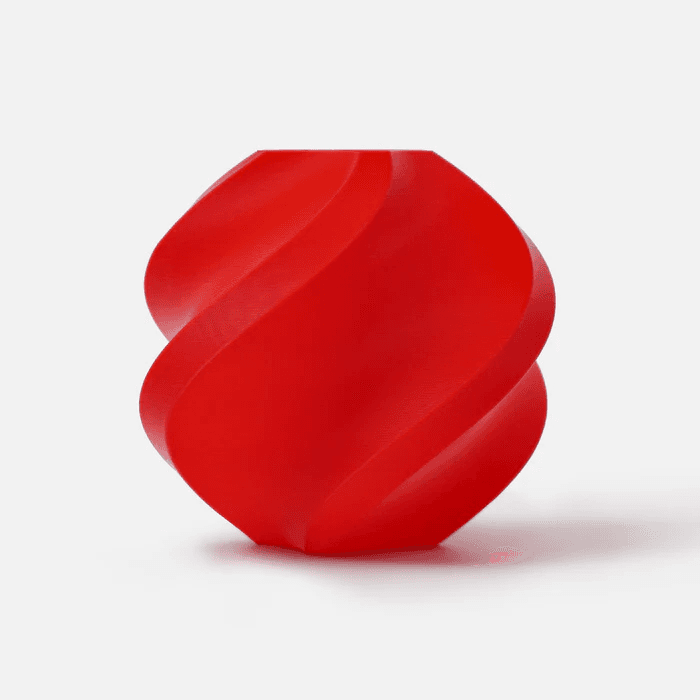
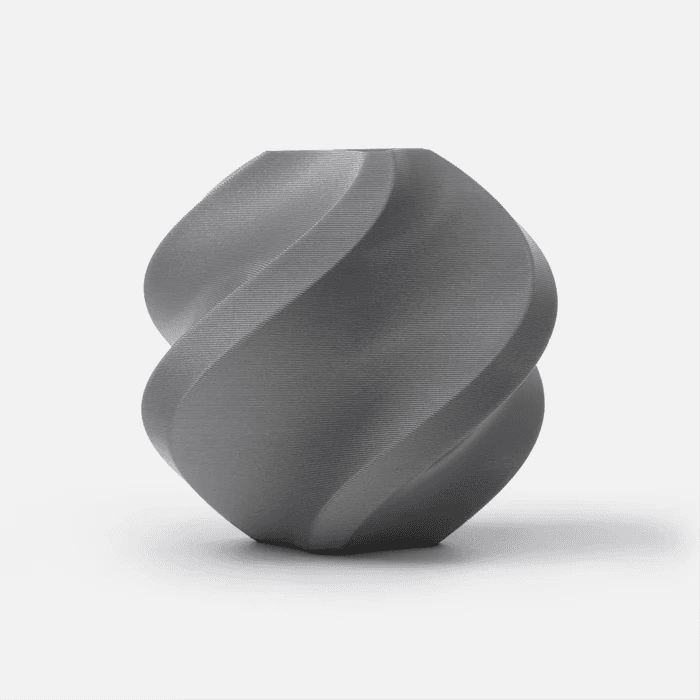
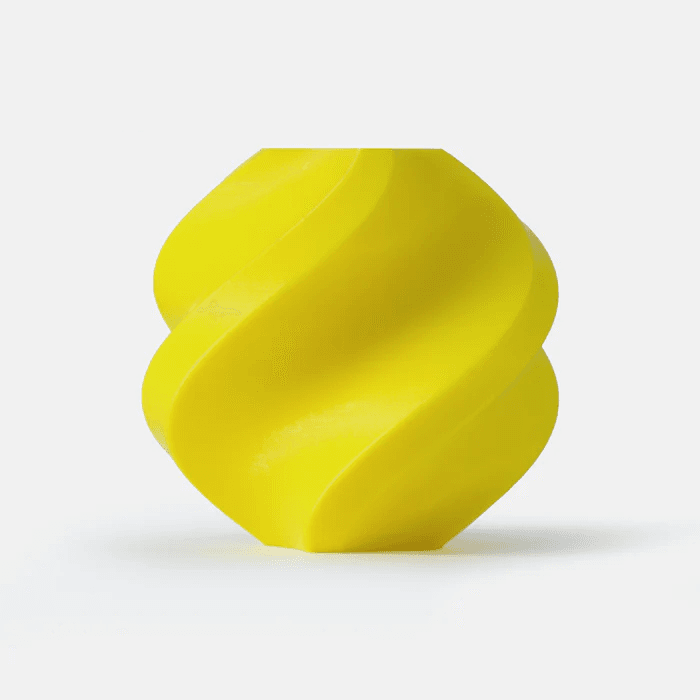
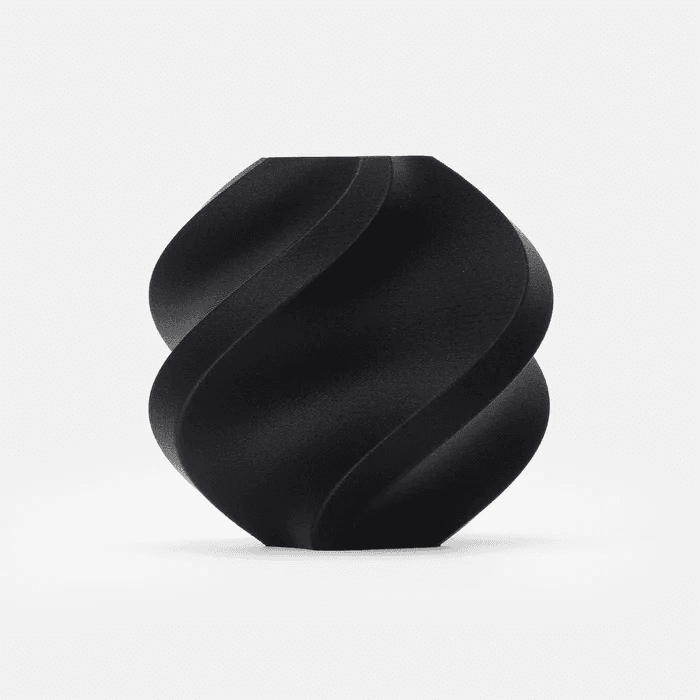
FDM / FFF technology
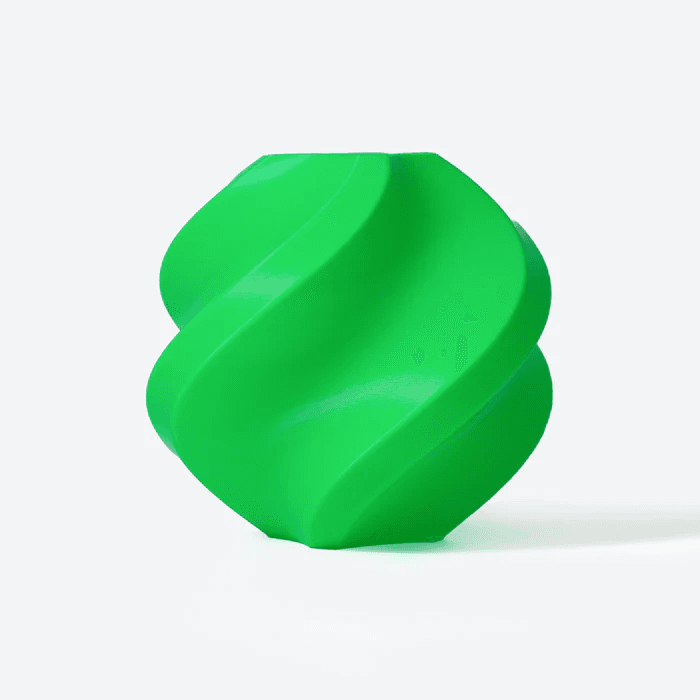
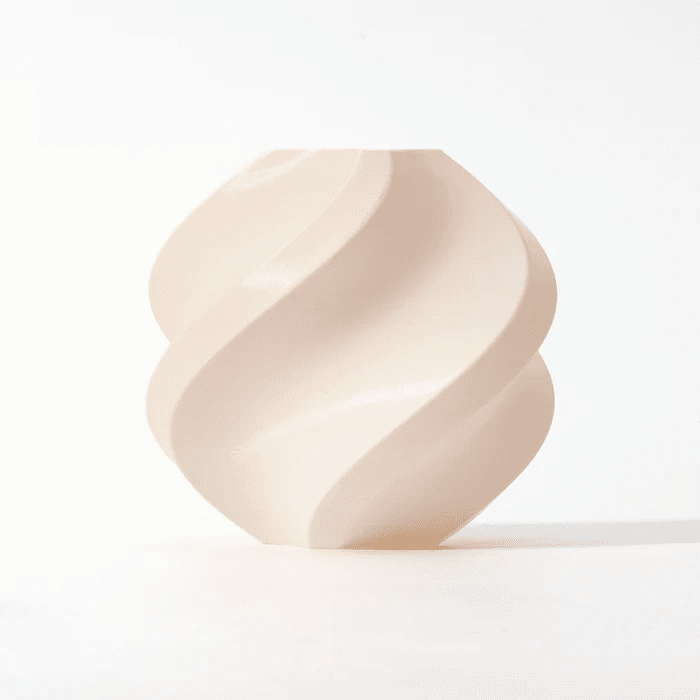
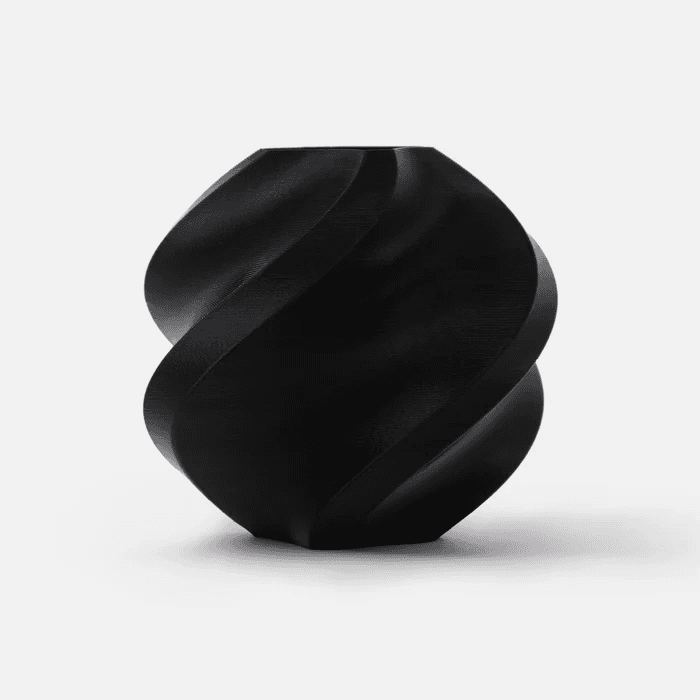
Fused Deposition Modeling — the most widespread 3D printing method. A thermoplastic filament is melted and deposited layer by layer. Ideal for prototypes, functional parts and housings.
30+ materials
PLA, PETG, ABS, ASA, TPU, PA (nylon), PC, PLA CF, PETG CF and many more. Each material has specific properties for different applications.
Precision down to 0.1 mm
A layer height of 0.05 to 0.3 mm allows fine adjustment between surface quality and print speed, depending on project requirements.
Rapid prototyping
From CAD model to physical object in hours. Test the shape, dimensions and functionality before launching expensive series production.
Functional parts
Engineering materials such as PA-CF, ASA and PC enable the production of parts that withstand mechanical loads, heat and UV radiation.
Customisation and small series
Every piece can be unique at no additional tooling cost. Ideal for custom tools, jigs, spare parts and one-of-a-kind products.
What is 3D printing and how does it work?
3D printing (additive manufacturing) is a process of creating three-dimensional objects by depositing material layer by layer according to a digital model. Unlike subtractive methods (CNC machining) that remove material, 3D printing adds only as much material as needed — resulting in minimal waste.
The process begins with a 3D CAD model (created in programs such as SolidWorks, Fusion 360 or Blender). The model is then sliced into layers using specialised software that generates instructions for the printer. The printer then deposits the material layer by layer — with FDM technology, the plastic filament is melted through a heated nozzle, while with SLA technology a liquid resin is cured by UV light.
The result is a physical object that faithfully reproduces the digital model, with the ability to produce complex geometries (internal cavities, lattice structures, organic shapes) that would be impossible or extremely expensive to make with conventional methods.
When to use 3D printing?
Prototyping
The most common application of 3D printing. Test the shape, ergonomics, assembly and functionality before investing in expensive moulds or tools. A design iteration takes hours instead of weeks.
Spare parts
Production of spare parts for machines, devices and vehicles that are no longer manufactured. Scan or model the part and print it in a suitable material.
Tools and jigs
Custom assembly tools, drilling templates, holders, guides and positioning fixtures. 3D printing enables the rapid production of tools tailored to a specific manufacturing process.
Small series and customisation
Production of small series without minimum quantities and without tooling costs. Every piece can be unique — ideal for medical equipment, orthopaedic aids and customised products.
How to choose the right material?
The choice of material depends on the intended use of the part. Here is a short guide to the most commonly used filaments:
For general use and prototypes
- PLA — easiest to print, biodegradable, excellent for visual prototypes
- PETG — more resistant than PLA, a good balance of strength and flexibility
- PLA Mate — matte, gloss-free surface, aesthetically appealing
For functional parts
- ASA — UV resistant, ideal for outdoor use
- ABS — impact and heat resistant, the industry standard
- PA (Nylon) — exceptional toughness and wear resistance
For demanding applications
- PLA CF / PETG CF — carbon fibre reinforced, high rigidity
- PC (Polycarbonate) — high heat and impact resistance
- TPU — flexible, rubber-like, abrasion resistant
For aesthetic applications
- PLA Marble — marble effect, decorative
- PLA Metal — metallic sheen, premium look
- PLA Glow — glows in the dark, for signage and decoration
Frequently asked questions
How long does it take to 3D print a part?
It depends on the size, complexity and print quality. Small parts (up to 5 cm) can be ready in 1–2 hours. Larger and more complex objects may require 8–24 hours. For urgent projects we offer priority production.
What is the maximum print size?
Our printers support printing up to 300 x 300 x 400 mm in a single piece. For larger objects we use a technique of joining multiple parts with precise connections.
Are 3D printed parts strong enough?
Yes, depending on the material and print parameters. Engineering materials such as ABS, ASA, PA and PC withstand significant mechanical loads. Carbon fibre reinforced (CF) parts approach the strength of aluminium at a significantly lower weight.
What file format do I need to supply?
We accept STL, OBJ, 3MF and STEP formats. If you do not have a 3D model, we can create one based on your sketch, technical drawing or physical sample (via 3D scanning).
What is the difference between 3D printing and CNC machining?
3D printing adds material layer by layer (additive), while CNC machining removes material from a solid block (subtractive). 3D printing is better for complex geometries, prototypes and small series. CNC is better for metal parts that require high precision and surface quality.